Is there anything worse than finding a tick behind Fluffy’s ear? Or that moment when you see a flea jump from Bruno’s tail right onto the living room rug? YUCK! Keeping our pets flea and tick free is part of our duty as a pet parent but it is not always as simple as year-round treatment. These 6 tips will keep your dog and cat flea- and tick-free both indoors and out all year long.
Why are Fleas and Ticks bad?
Besides being just plain yucky, fleas and ticks are parasites that may cause serious harm and discomfort to our precious fur babies. They transmit dangerous diseases such as Lyme disease, Dog Ehrlichiosis and let us not forget…the Bubonic Plague (Flea transmitted disease). These sneaky parasites are out to get our furry friends, but with a few simple steps your pet and your home will remain flea- and tick-free!
6 tips to prevent flea and ticks
Year-round treatment
A monthly pill or collar to prevent fleas and ticks for your dog and cat is a must year-round. No matter what region you live, continuing treatment through the winter is extremely important. These parasites survive temperatures as low as freezing (30 degrees). The unpredictable weather these days makes remaining diligent with your pet’s treatment more important than ever. All it takes is a few winter days in the 30’s for fleas and ticks to be right back to their pesky ways. No bones about it, continue your pet’s treatment 365 days a year.
Throw out old preventatives
If you have old flea and tick treatments from previous years or other pets it can be tempting to use them on your current pet. However, most treatments have specific expiration dates and become ineffective over time. These parasites evolve and often become immune to older products. Always check with your Vet for the most effective brands/products available to you. In addition, be sure to use pet specific products, canine products for dogs and feline products for cats. Swapping one for the other can cause serious harm to your pet.
Keep backyard clean
Our own backyard is the number 1 place pets contract fleas and ticks. Keeping the grass, trees and shrubs trimmed will keep your yard from looking too appealing to fleas and ticks. A regular mowing and grooming will continually disrupt the possibility for these sneaky parasites to make their home in your yard.
Clean home regularly
Flea eggs can stay alive all year long in your home, even through the cold months. Once eggs are laid, they can multiply as quickly as 100 per DAY! A thorough routine cleaning will keep your home flea free. There are a few things you do not want to miss during your cleaning that specifically target removing/keeping fleas at bay.
Washing pet and human bedding in hot water
Cleaning curtains, couches and other fabric materials that are a playground for fleas
Dispose of vacuum bag/empty canister (outside) after EVERY use. Flea eggs can continue to hatch and multiply even after being vacuumed.
Spray/clean carpeted areas frequently
Do regular tick checks
Looking for more peace of mind when it comes to wondering if Fido has a tick? Do a regular tick check yourself. Start this when your dog is just a puppy or your cat is a kitten to get them used to the unique full body search that an older pet may otherwise not be comfortable with. Regular baths will also help to prevent fleas and ticks. Bath time is also a fantastic time to do a flea/tick check.
Regular Vet checkups
Checking in with the professionals will ensure you have your pet on the best preventative plan possible. They will check the efficiency of your current program and make sure your pet remains on the safe track for being parasite free! A thorough checkup provides the utmost peace of mind for a pet parent, which is priceless. Do not delay, schedule a checkup with your pet’s veterinarian today.
Keeping your dog and cat flea and tick free makes for a happier, healthier pet. When your pet is armed with an effective year-round treatment with a nicely manicured yard to play in, a clean bed to rest their head, smelling fresh from routine baths, and gets a gold star from their vet check fleas and ticks don’t stand a chance! These 6 tips will have your pet saying THANK YOU again and again.
Do you have a best kept secret for preventing fleas and ticks in your pet(s)? Share with us in the comments!
Just Around the Corner offers daily Dog Walking and Cat Sitting in Plymouth, MA. To learn more about how Just Around the Corner can help, check out our Services Page. You can also Contact Us for more information. Be sure to Like us on Facebook and Follow us on Instagram!
Hydration is a crucial part of keeping your pet healthy, especially during these hot summer months. Hydrating your pet is so essential the US has declared the month of July National Pet Hydration Month. Did you know that your dog should drink 1 ounce of water per day for every pound of body weight? For large breed dogs that means a lot more water than the recommended 64 oz for humans every day.
Why do pets need more water than humans? It may come as a surprise, but dogs and cats are made up of 80% water, as opposed to the human 55-60%. This means it is 20-25% more likely for a pet to become dehydrated. How do I know if my dog/cat is drinking enough water? We understand it is not always easy to know exactly how much water intake your pet has had each day. Here are some important symptoms of dehydration to look out for.
Loss of appetite
Reduced energy levels
Lethargy
Heavy panting
Sunken eyes
Dry mouth/gums
Loss of skin elasticity
If your pet experiences any of these symptoms try to entice them with a fresh bowl of water. Whenever possible monitor your pet’s water intake. In addition to watching for these symptoms, performing the skin elasticity test is a great way to detect if your pet is experiencing dehydration. If the symptoms persist/worsen you will want to give your veterinarian a call as medical attention may be needed.
Tips to keep your pet hydrated
Providing fresh water for your pet daily may sound like a no-brainer, but there are a few tricks that will ensure your pet stays hydrated even through the hot and dry season.
Keep water bowls clean
Your pet may not seem to mind day old water but a freshly clean bowl with fresh water is ALWAYS more enticing than a slimy, lukewarm dish. Cleaning your pet’s dish daily will also keep the harmful, biofilm at bay!
Use more than one water dish
Increase opportunities for your pet to drink water by placing a few water dishes throughout your home as well as in several outdoor areas. This will help to up their water intake exponentially.
Frozen Treats
Offer your pet frozen treats, such as ice cubes, frozen broth, or pet-healthy smoothies. These refreshing, fun treats keep your pet coming back for hydration again and again.
Get a drinking fountain
While some dogs or cats may not mind standing water, others are far more interested in drinking from a bubbling fountain. Can you blame them? Drinking fountains often also filter the water which removes tastes and odors that may prevent your pet from drinking up.
Add water to your pet’s food
This is an especially good idea for older pets. Start with a small amount of water until they feel comfortable with the change. You can safely add water to any type of pet food from kibble to canned food. It is a great way to up their hydration without them feeling like they are being forced to drink, drink, drink.
As always, our goal as pet parents is to have the happiest and healthiest pets possible. Knowing the signs of dehydration and tips for how to keep your pet hydrated will keep your fur baby living their best life all summer long. Just remember, every time you reach for a drink of water for yourself, think of your pet. Or, maybe keeping your pet hydrated will help you to stay hydrated too!
Click here to get a downloadable infographic reminder for Pet Hydration.
How are you keeping your pet hydrated this summer? Share your tips and tricks in the comments!
Just Around the Corner offers daily Dog Walking and Pet Sitting in Plymouth, MA. To learn more about how Just Around the Corner can help, check out our Services Page. You can also Contact Us for more information. Be sure to Like us on Facebook and Follow us on Instagram!
Considering adopting a cat? There are many things to consider before bringing a furry feline into your home. Making it a smooth transition for the cat from the shelter to your home will set the tone for your future life together. This guide breaks down exactly what to consider before adopting. Already know adopting is definitely for you? Look no further, here we share the best ways to integrate a cat into your home!
Before you adopt
Evaluate your lifestyle
Before adopting a cat consider your lifestyle. Of course a precious fluffy kitty seems idyllic, but you must be honest with yourself to be sure you are ready for a lifetime commitment to a cat. What does it mean to evaluate my lifestyle you ask? Start with asking yourself these simple questions.
Do I spend a lot of time away?
Do I have other pets? If so, do they get along with other animals?
Are there children in the home?
Does anyone in the home have cat allergies?
Am I able to take on the financial impact of owning a cat?
Answering these questions honestly will let you know if you are ready to move on to the next step!
Understand the commitment you are making
Adoption is for life. It is crucial to understand that in making the choice to adopt a cat into your home has a furrever impact on the cat. Being shuffled back and forth between homes and shelters is extremely taxing on an animal. Pets feel stress the same way humans do and being moved around multiple times leaves a lasting impact on an animal. Always remember Adoption is for Life.
Do your research
Research the shelter you are adopting from. While most town/city shelters are reputable it doesn’t hurt to do a quick Google search for reviews and other information such as background and mission when it comes to pet adoptions. The more you know, the better equipped you will be when making this life changing decision. We suggest Adoption of a shelter cat rather than purchasing a cat from a breeder because every year over a million cats end up in shelters in need of a loving forever home. Be part of the solution.
Know the best fit for you
Know the type of personality you are looking for in a cat. If you work long hours adopting a more independent cat might be the way to go. Are you the laid back snuggling type? Consider a cat who will be easy going and enjoys affection. Cats have personalities just like people! Decide what characteristics will be the best fit for your life and find the cat that suits you. This will ensure a long lasting and enjoyable relationship for everyone.
Bringing your cat home
Choose a Vet
Plan ahead by choosing a vet that you know and trust. If you have never owned a cat ask your cat owning friends who they use. It is a good idea to get multiple recommendations and compare. Of course you can always do a good ol’ Google search and research Veterinarians in your area, read reviews, and make an educated decision on where to take your fur baby. Once you get the health records from your shelter it is a good idea to book your cat’s first check up ahead of time. Many vets are extremely busy these days and it will be one less thing to think about after you bring your kitty home.
Cat Proof your home
Cats are curious, agile and smart so get ready! Become aware of the things that can pose as a potential danger to your cat. It may take a little bit to get used to but once you are aware of the items to keep an eye out for it will become habitual. Some things to look out for:
human food left out on the counter
small choke hazard items such as paper clips or tacks
electrical cords they may be playing with or chewing on.
Keep a close eye out for what they are playing with in the first month and arrange items in your home accordingly.
Stock up on supplies
You might be surprised by how many items your cat will need to feel comfortable and confident in their new home. Stock up on essentials such as food and litter, as well as treats, toys, and grooming items. Download our “Cat Supply Checklist” for a full list of items you will need as a new cat mom or dad.
Give love, patience and space
Last but certainly not least, LOVE, PATIENCE, and SPACE are three keystones for a happy, healthy, cat/cat owner life. Your cat may take several weeks to fully adjust to their new environment. Exercising patience as they learn the “house rules” e.g using the litter box, not jumping on the counter, not chewing your shoes, will encourage them to behave appropriately. They may also need “alone time” in a designated space such as their sleeping quarters. It is important to allow them time to explore independently in their new home as it will build their confidence in their new environment and in you as their pet parent. Always remember Love, Patience, & Space.
Adopting a cat is a beautiful thing! Using this simple guide will ensure you and your new fur baby will have a long, happy, well-adjusted life together.
HAPPY ADOPTING!
Have a cat adoption story? We would love to hear it! Share with us in the comments.
If you’ve grown with dogs, you probably know that bonding can be as simple as petting them for a few days to become best buddies for life. Bonding is definitely a more difficult process when you decide to get a cat. We’ve all joked about the haughty nature of felines, but most of those jokes come with more than the grain of truth attached to them. . .
Often times, people get a cat, expect instant bonding and jump to the conclusion that the cat will never want anything to do with them. Take a proactive approach and try a few techniques to better bond with the new feline family member.
Begin with these:
Don’t use negative reinforcement
With dogs people often use negative reinforcement to train them in the dos and don’ts around the house. In fact, many people claim that using this form of reinforcement never results in them getting moody or stand offish and that they simply learned not to potty in the house and all was well. While we don’t recommend that approach with dogs, we most definitely can tell you that cats don’t respond to negative reinforcement – at all.
Simply raising your voice at a cat is a good way to be dead to them for life. Cats have a very low trust threshold. One bad experience with you and building a bond is going to become infinitely harder. Save yourself a headache and focus on positive reinforcement methods if you have to train your cat in order to keep your bond in good standing.
2. Be the giver of food. Don’t just leave food out 24/7. Cats bond much quicker with the people who feed them. The way to a cat’s heart is his/her stomach, so take advantage of that fact and associate yourself with him/her being fed. Your cat will start cozying up to you in no time. Petting your cat and rewarding him with a treat throughout the day will also remind him that associating with the humans of the house reap many rewards.
3. Be patient. You can force a cat to like you. Don’t try to play with them incessantly or pick them up all the time. Give your cat some space and let him/her come to you. The more you push for the relationship, the longer it’s going to take to build one.
4. Be interesting. Yes, I said it. Be interesting. Cats love dangling toys, string and even laser pointers. Throw a cardboard box or brown shopping bag in the middle of the floor and your cat is sure to come a calling. These are all great options that allow you to provide your cat with some much needed space. Once he begins to trust you, then go ahead play more interactive games that won’t scare him off and invade his space! Follow these basic tips and in time you’ll have every cat happily eating out of the palm of your hand.
Your pets, both female and male can benefit from being spayed or neutered. The choice to spay or neuter your pet is something very important to consider. You should weigh out all the options and discuss with your veterinarian to make the very best choice for your pet. Spaying is a surgical sterilization done to female animals to extract the ovaries and uterus. Neutering is a procedure done to the male dog or cat by removing the testicles.
By spaying or neutering you can:
Decrease the amount of homeless dogs and cats
Protect your pet’s health
Avoid disruptive behavior
Save money on pet care
In the U.S. there are homeless dogs and cats everywhere. Each year millions of animals enter shelters. Less than half of these poor animals get adopted and the remaining are euthanized. The best way to help decrease these numbers is to spay or neuter your pets.
Spaying helps females avoid uterine infections and breast cancer.
Spayed pets don’t go into heat and don’t have the need to mate.
Spaying and /or Neutering prevents overpopulation by having unwanted puppies or kittens.
Your male dog will be less likely to get testicular cancer if he is neutered.
A neutered dog or cat won’t have the urge to find a mate and will be more behaved.
When dogs and cats are in heat, they go wandering and come in contact with other animals, get hit by cars and many other undesirable situations.
Pets who have been spayed or neutered are less aggressive. They also tend to bark less. Dogs who are not neutered are prone to urine marking which is when they lift their leg to urine. Cats that are not “fixed” have the urge to spray, which can create a horrible odor in your home. This problem would be minimized or eliminated by spay or neutering.
Having your pet spayed or neutered has no effect on his intellect or learning capabilities. The procedure produces a kind of calming effect, which makes these pets better companions.
Are there risks involved with spaying and neutering? There are risks and possible complications, as with all surgical procedures. Your pet could be at risk for incontinence and some forms of cancer. Prior to the procedure your pet will be examined thoroughly to make sure they are in good health and can undergo the stress. You will be asked to keep your pet in a clean, quiet and peaceful environment after surgery.
You can be confident in your decision to spay or neuter knowing that these procedures are the most common done by veterinarians. The benefits far outweigh the risks. Many shelters and clinics offer free of low cost spay or neutering so there is finances should not stand in your way.
You love your furry purring kitty cat friends, and you want what’s best for them, right? We know this means keeping them safe, healthy and happy. These five apps are must haves for the cat lover;they have everything you could ever need in an app.
1)Catbook
Wouldn’t you love it if your kitty had his very own Facebook page? Well, there is something even better. Yep, you read it right. Catbook is social media for your cat! This app will aid in networking you and your kitty with an online community of over one million cat lovers. You can use this app to post cute pictures of your kitty, and updates about what your cat’s been up to. Also, you can use this app to connect with other cat lovers to exchange tips, tricks and other cat friendly advice and chit-chat.
2)PetSnap
YOUR cat is the most adorable creature in the world, right? How easy is it to capture good pictures of him? Yep, we thought so! It can be incredibly difficult to get that perfect picture to show off just how cute your kitty is. Whenever you think you are just about to get the perfect shot, healways seems to look away. PetSnap is an app that plays sounds to grab your cat’s attention, so when curiosity takes over and he looks at your phone you can snap a picture of that curious face. How cool is that?
3)The PetMD First Aid & Emergency for Cats app
The PetMD First Aid & Emergency appt for Cats provides you, a loving kitty cat parent, with quick and understandable advice for the most common cat emergencies and medical concerns. This app can give you some peace of mind and necessary knowledge for how to respond to any medical concern. Whether you’re at home or on the go, this app is for you!
4)PetLog
Petlog is the ultimate app for cat owners. If your kitty wanders off you can send an alert to add your cat to their database of missing pets and even post to their Lost and Found Facebook page.Petlog also gives you the opportunity to look for vets and rescues through the Cat Friendly Directory.
5)Cat Game
Who says you get to have all the fun? This app is the perfect game maker for you and you furry friend. It has the red “laser” dot right on your iPhone screen for your cat to try to “catch”. No more searching the kitchen drawers and under beds for the laser pointer. Best of all – you can play too! Entertainment for you and your cat never got so easy.
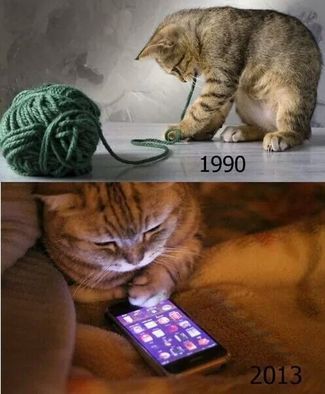
What’s your favorite pet friendly app? We’d love to hear how technology is keeping up with the demands of you and your cat – or dog. So, tell us!








Recent Comments