You may have heard or read on social media last year that we sadly lost Bentley, a five-month-old member of our Just Around the Corner family, after he ate a toxic mushroom in his parents’ yard. This is a very difficult posting, but we want to let people know how dangerous mushrooms in your yard can be. There are just no words to express how deeply sad we are and how we wish we could make his mom and dad feel better.
Bentley was playing in his yard, as all puppies do. Everything in the mouth!!!!! He grabbed a mushroom in the yard and swallowed it before his dad could get it away. By the next day, he became very ill. He spent over a week in ICU at CCVS and, sadly, passed away soon after…
PLEASE…PLEASE…PLEASE always check your yard for mushrooms and remove them before letting your babies out. We send our deepest thoughts and prayers to Bentley’s mom and dad.
Despite the nearly year-round (except wintertime) occurrence of mushroom poisoning in most of North America, it is probably underestimated, so it’s wise for all of us to be vigilant. Don’t let yet another tragedy happen to you. “When in doubt, pull it out!”
We had an overwhelming response to this posting on Facebook, and requests for more information. Therefore, we have done our research, and the result is the following blog post:
Types of toxic mushrooms and symptoms of mushroom poisoning
Clinical signs of poisoning depend on the species of mushroom, the type of toxin in the mushroom, and the pet’s susceptibility.
Amanita, the most dangerous type, is attractive to dogs, particularly A. phalloides (death cap or death angel), A. muscaria (fly agaric), and A. pantherina (panther cap), probably because of the fishy odor. The ingestion of A. phalloides and other genera, including Galerina and Lepiota (false parasol), results in a series of phases: gastroenteritis, false recovery, and liver failure. Muscimol and ibotenic acid, the psychoactive toxins in toadstools (A. muscaria andA. pantherina), cause visual distortion and extreme sedation, among many signs.
Inocybe and Clitocybe produce muscarinic effects known as SLUD—salivation, lacrimation (excessive tear production), urination, and diarrhea.
Gyromitra spp. (false morels) generally cause vomiting and diarrhea. Most cases are mild, but seizures have been reported on rare occasions.
Hallucinogenic mushrooms such as Psilocybe(magic mushrooms, blue legs, or liberty caps), Panaeolus, Copelandia, Gymnopilus, Pluteus, and Conocybe cause disorientation, visual hallucinations, imaginary biting, hypertension, hyperthermia, seizures, and tremors, to name a few.
ASPCA provides more detailed information on the types of toxic mushrooms, mechanisms of toxicity, and treatment methods.
How to prevent mushroom poisoning
Keep an eye on your pets while taking them on a walk. Steer clear of areas where mushrooms grow.
Don’t take chances. Check your yard for mushrooms and remove them. It is difficult or even near impossible, even for mycologists (fungus experts), to distinguish toxic mushrooms from the nontoxic varieties. Adding to the complexity are the varying colors, shapes, and levels of toxicity in many species.
What to do after mushroom consumption
Although 99 percent of mushrooms are low-toxin or nontoxic, always assume that all mushrooms are potentially dangerous. Collect a sample of the mushroom, vomitus, or feces to bring with you to the animal clinic. Use a paper towel, waxed paper, or a paper bag for the mushroom. Do not use plastic material. Refrigerate the sample until you are ready to have it examined.
Take your pet to the vet for decontamination, in which vomiting is induced to remove the mushroom. In cases of actual poisoning, activated charcoal is administered to flush remaining toxins, followed by supportive care.
Contact the North American Mycological Association (NAMA) to identify and document the suspected mushroom. NAMA has a directory of identifiers across North America. There is also a listing for identifiers in Massachusetts.
All dog owners dread this statement: Oh my god….my dog just ate poop. After the initial shock the question is: Why Does My Dog Eat Poop!! What do I do? The thought of this sends shivers down our spine, even from the best of us dog lovers. The medical term for eating poop is Coprophagy. Now doesn’t that make you feel better? Probably not. No matter how we try to wrap our brain around it, a dog eating poop just grosses most of us out.
Why does my dog eat poop?
Here are some of the top reasons your dog may eat poop.
Dogs are born to eat poop: Yes, you read this right. Dogs are born to be scavengers, living off of anything in their environment to survive. When food is scarce, dogs instinctually scavenge for any nutrients they can find. A mother with newborns will eat her puppies’ poop. She does this for a number of reasons. To stimulate the puppies to eliminate, to keep her den clean and to hide the smell of poop from predators.
Your dog may have a medical issue: This is very important: when your dog eats poop, take them to a veterinarian right away to eliminate any medical reasons for eating poop. Some possibilities include a malabsorption problem, deficient in nutrients, parasites, diabetes, pancreatic problems, just to name a few. It is really important that you rule all of these possibilities out.
Your dog may be anxious: Sometimes your dog eats poop because they feel anxious. Do you use punishment when housetraining? If you do, they will eat their poop after they have an accident so that they do not get punished.
Your dog may be seeking attention: Some dogs will eat poop to elicit attention from you. When they want attention, it does not matter if they get positive attention or negative attention. When you see your dog eating poop, if you yell at them and making a big deal out of it, you are giving them attention.
Is your dog from a puppy mill?: Sometimes dogs from puppy mills will eat their own poop because they are bored. Or it could be because of long term crating. They are pooping and eating in the same place and do not know the difference. It could also be because they are not fed enough of the right sorts of food, and their scavenger instinct kicks in.
Eating dog poop may be a learned behavior: Doggie see, doggie do — Some dogs will pick this up by watching other dogs eating poop.
How do I get my dog to stop eating poop?
Why your dog eats poop can be for a number of reasons. Be sure to bring your dog to the veterinarian to rule out any medical issues. If they come back with a clean bill of health then it is most likely a behavioral issue. Some important things to remember in attempting to stop your dog from eating poop are:
Keep the Area Clean: Be sure to keep the area where your dog eliminates clean of any poop so there is nothing for them to get. Monitor your dog when outside. Clean up poop immediately after they defecate. If you need to have your dog on a leash to monitor them, then that is what you should do.
Feed a well-balanced diet: You may need to change the food that you are feeding your dog. If it is not a well-balanced diet, this may be one of the causes of eating poop. Food with lots of filler actually smells the same after being eaten. Also be sure to feed your dog enough. If they are not being fed enough and are hungry this may cause them to eat their poop. If you are feeding once a day, change this to two meals a day.
Exercise and Stimulate: You want to be sure to give your dog enough exercise and find things that will stimulate them. Dogs will eat their poop out of boredom. After a good walk, maybe some really nice toys to play with and a good chew bone.
Train them: Be sure to train your dog with a command that will re-direct them if they are heading to eat the poop. Some will use the word “Leave it”. Be sure to give a positive reinforcement when they do. A nice little treat, toy and praise.
Add a deterrent: There are a lot of products that you can buy in a pet store that may help in making the poop very unappetizing for your pet. These are really a trial and error. You will need to try several to see what would work best for your pet. There are also a lot of natural remedies that you can try. You will have to try them to see if any of them would work for your dog.
Eating poop can be a hard habit to break in a dog. Just remember, do not be discouraged. Following and executing a good plan and creating distance between episodes will help you on the road to breaking this habit.
Has your dog eaten poop? Have you had any success making them stop? We would love to hear what you have done to stop your dog from eating poop.
If you’ve ever been unfortunate enough to contract lice then you’re probably familiar with the irritable pain dogs with lice experience. However, dogs actually catch a different species of lice entirely, one that can’t be passed on to humans.Whew!
The two types of lice are very different. . .
The two types of lice are very different. Where human lice moves quickly and enjoys clean hair, dog lice mostly stays stationary and prefers dirty manes. Dogs that are properly cared for within clean environments are highly unlikely to ever come in contact with canine lice, which is why consummate dog owners never experience the parasitic pests.
There are two forms of canine lice, chewing and sucking. Chewing lice chews on the skin of its victim while sucking lice, the more irritating of the two, latches onto a dog and sucks its blood. Both forms are easily transferable between canines and through contaminated objects, although they only target dogs.
The good news is that dog lice are easily diagnosable and treatable. They can be seen with the naked eye and look like small six-legged bugs. They don’t move, making it easy for you to run a brush or comb through your dog’s fur and see the pesky gangs of itchy invaders.
Treatment is incredibly simple. Your local pet store undoubtedly has a wide variety of shampoos, sprays and powders that will effectively kill and rid your dog of lice. You may need to treat your pup multiple times in order to also kills the eggs as they hatch, but your puppy is sure to be clean as a whistle after just a few days or a couple weeks of treatment depending on how bad his/her lice infestation is.
To prevent reinfection, thoroughly clean or get rid of your dog’s bedding and all the places he/she frequents. Be sure to disinfect all grooming utensils and you should be free of dog lice soon after discovering their existence.
Yes, they’re disgusting, but so easily dealt with that you won’t even have to contact or notify your local vet. After dealing with the lice, make sure your dog is kept clean and healthy and you’ll probably never have to worry about dog lice ever again.
Being a pet owner also involves taking responsibility for anything that pertains to your pet’s health. However, one area of pet care is often neglected and that is the ‘dental’ aspect.
Usually a dog develops twenty-eight deciduous teeth as a puppy between three to four weeks which would later increase to about forty-two permanent teeth by six to eight months. Therefore, there must be a kind of routine to be followed to ensure that your dog is healthy and those steps shall be discussed below but before that, the adverse effect of poor dental care must be noted.
Just as in humans, the mouth is relatively very warm and since you cannot always control what actually goes to your dog’s mouth every point in time, certain measures should be taken to ensure that your dog has good dental care. A dog’s mouth could harbour dangerous bacteria that can cause series of ailment and dental diseases such as tartar, or even Pyorrhea which can be very painful to your dog and may even render an affected dog quite inactive because the gum would have been inflamed. This may further result in the slackening of the teeth accompanied by emission of pus.
Apart from all these oral ailments, the inability to give a dog the oral care it deserves may lead to the establishment of bacteria colony in such a dog’s mouth and the toxins produced from such bacteria may affect vital organs such as the kidney, liver and even the heart.
To avoid this, the following steps must be followed:
Do not wait for your dog to be in serious pain and down and out before you know what the matter is, search for signs yourself. Because you are most familiar with your dog, create a time for a general checking of your dog’s mouth on your own to fish out any kind of unusual symptoms.
Sign up for a wellness program for your dog at a registered veterinary clinic. Your dog is entitled to a general check-up at least twice in a year with special attention being paid to the mouth.
Protect your dog against some oral ailments. Regular vaccination and administration of prescribed medication by a registered vet doctor could serve as a form of prevention.
Brush your dog’s teeth regularly at home or as advised by your vet doctor. It is very important that you always consult your vet doctor before choosing a particular brand of toothpaste so as to know whether your dog is allergic to some of the ingredients. There are other ways of dental cleaning for a dog such as giving them dental biscuits.
Finally, always be observant. Take away any hard and inedible substances away from your dog’s reach so as to prevent the dog from fracturing its teeth. Having a fractured tooth may irritate your dog’s nerves and cause an opening in the teeth which may turn out to be a source of infection.
Following a strict dental regime will help keep your dog happy and healthy for years to come. A little care now may save your dog a lot of suffering later on.
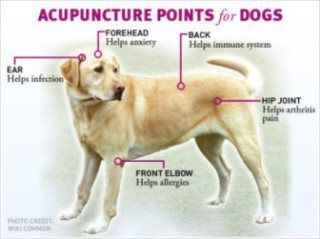
Did you know that holistic healing therapies can alleviate pain and illness for your dog? Specifically, acupuncture has demonstrated a great deal of success. Acupuncture has been used to treat various human conditions for thousands of years and has evolved into a common practice used by holistic healers, chiropractors, and physiotherapists. So think about it, why wouldn’t acupuncture be beneficial for your dog? The fact is that it benefits animals the way that it benefits humans.
There are so many advantages to using acupuncture as a part of your treatment regime for your dog. Acupuncture can help to solve your dog’s poor-digestion, chronic-diarrhea and skin-problems. Unfortunately in western society we are socialized by our norms to look for a quick fix, and only use what is considered to be “western medicine”. However, alternative therapies have existed for thousands of years, many having great benefit and success.
Furthermore these therapies can be done in conjunction with western methodologies. It is important to know that alternative therapies such as acupuncture do not demonstrate immediate results (quick fix), and necessitate more frequent and longer treatments. There are, however, situations in which there is immediate improvement with acupuncture, it is important to know that everybody and every condition are unique so results vary from person to person.
You may ask, how can acupuncture help my dog?
Well, there are various ways in which acupuncture is beneficial. Acupuncture serves to stimulate the body’s release of pain anti-inflammatory substances serving to give some relief. Acupuncture also helps to relax the muscle at the site of stimulation (by needle insertion), producing both a local and generalized pain relief. Acupuncture improves blood flow to the treated area helping to facilitate healing, oxygenation, and removal of metabolic wastes/ toxins. Medications can have implications for your organs; acupuncture doesn’t have any of these potential adverse side.
Just like surgery and some medications, acupuncture isn’t always appropriate or successful for some patient, condition, or disease.
Some conditions that may benefit from acupuncture include:
Hip dysplasia
Arthritis
Allergic skin conditions
Degenerative joint disease
Disease of the spinal cord
Reproductive problems
Seizures/epilepsy
Traumatic nerve injuries
Endocrine disorders
Asthma
Immune function
Systemic inflammatory conditions
Physical Performance
If you believe that your dog could benefit from acupuncture you should certainly look into it. In fact, dive into some research now before it may become necessary to treat your dog for any possible ailment. Remember, knowledge really is power, especially during difficult times. It could be the treatment regime that you are looking for. Trying new forms of treatments can make a difference in your dog’s health and wellbeing.
Your pets, both female and male can benefit from being spayed or neutered. The choice to spay or neuter your pet is something very important to consider. You should weigh out all the options and discuss with your veterinarian to make the very best choice for your pet. Spaying is a surgical sterilization done to female animals to extract the ovaries and uterus. Neutering is a procedure done to the male dog or cat by removing the testicles.
By spaying or neutering you can:
Decrease the amount of homeless dogs and cats
Protect your pet’s health
Avoid disruptive behavior
Save money on pet care
In the U.S. there are homeless dogs and cats everywhere. Each year millions of animals enter shelters. Less than half of these poor animals get adopted and the remaining are euthanized. The best way to help decrease these numbers is to spay or neuter your pets.
Spaying helps females avoid uterine infections and breast cancer.
Spayed pets don’t go into heat and don’t have the need to mate.
Spaying and /or Neutering prevents overpopulation by having unwanted puppies or kittens.
Your male dog will be less likely to get testicular cancer if he is neutered.
A neutered dog or cat won’t have the urge to find a mate and will be more behaved.
When dogs and cats are in heat, they go wandering and come in contact with other animals, get hit by cars and many other undesirable situations.
Pets who have been spayed or neutered are less aggressive. They also tend to bark less. Dogs who are not neutered are prone to urine marking which is when they lift their leg to urine. Cats that are not “fixed” have the urge to spray, which can create a horrible odor in your home. This problem would be minimized or eliminated by spay or neutering.
Having your pet spayed or neutered has no effect on his intellect or learning capabilities. The procedure produces a kind of calming effect, which makes these pets better companions.
Are there risks involved with spaying and neutering? There are risks and possible complications, as with all surgical procedures. Your pet could be at risk for incontinence and some forms of cancer. Prior to the procedure your pet will be examined thoroughly to make sure they are in good health and can undergo the stress. You will be asked to keep your pet in a clean, quiet and peaceful environment after surgery.
You can be confident in your decision to spay or neuter knowing that these procedures are the most common done by veterinarians. The benefits far outweigh the risks. Many shelters and clinics offer free of low cost spay or neutering so there is finances should not stand in your way.


 Why your dog eats poop can be for a number of reasons. Be sure to bring your dog to the veterinarian to rule out any medical issues. If they come back with a clean bill of health then it is most likely a behavioral issue. Some important things to remember in attempting to stop your dog from eating poop are: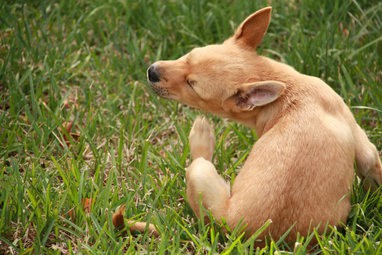

Recent Comments